
Our Vision
To foster a lifelong joy of learning, intellectual curiosity, and creativity in each child to become free human beings who make a difference in the world.
Our Mission
To develop each child's full potential to meet the ever-changing world as free-thinking, compassionate, and purposeful human beings.
Based on the insights of scientist and philosopher Dr. Rudolf Steiner (1861-1925), Waldorf schools have developed into an international movement with almost 1,200 Waldorf schools and kindergartens in 70 different countries. The Waldorf School of St. Louis implements a learning method that meets the physical, emotional, and intellectual dimensions of the developing child. Since 1993, The Waldorf School of St. Louis has provided a balanced and well-rounded education by considering the “whole child” and integrating artistic activities, music, and movement into a developmentally appropriate curriculum.
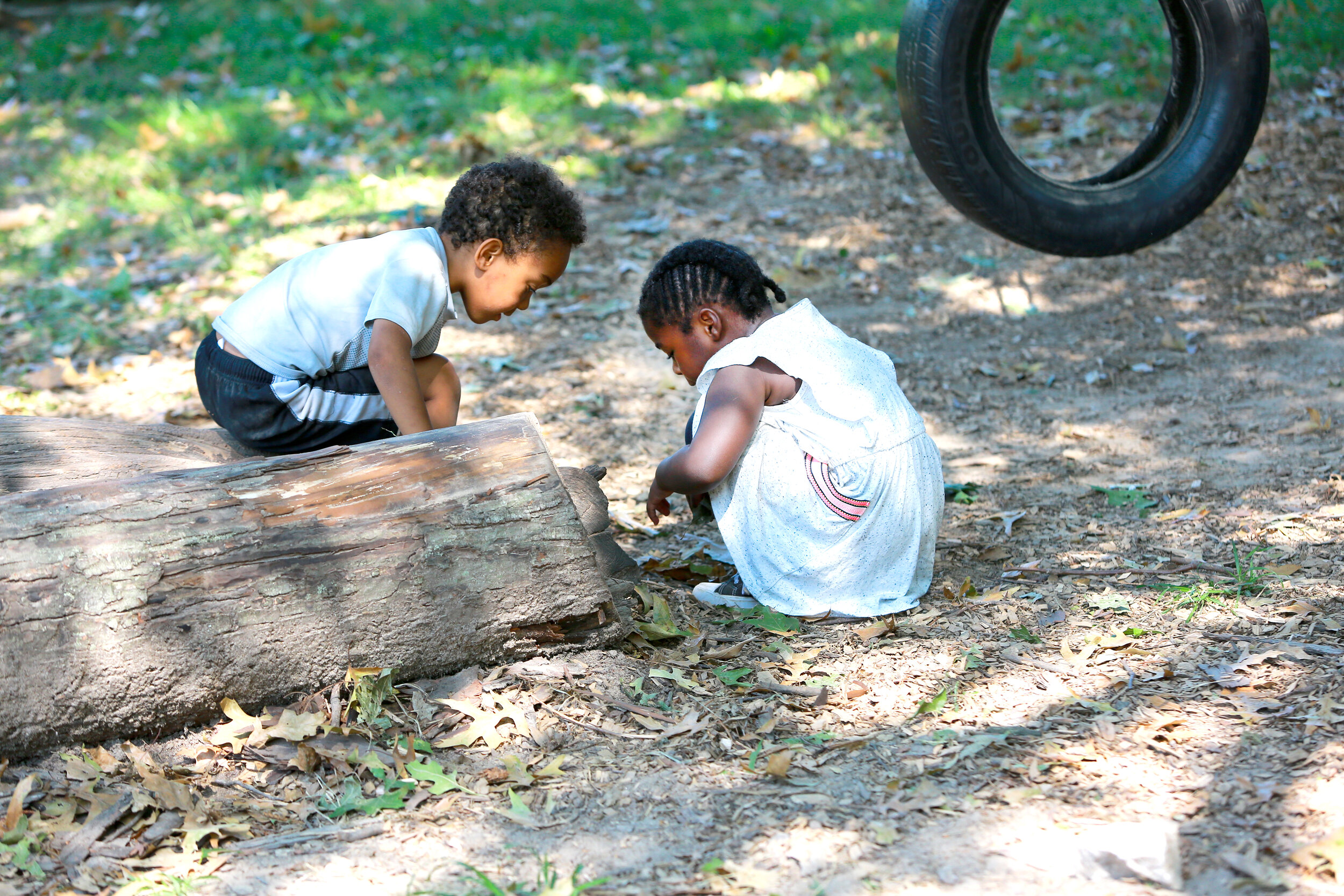
At The Waldorf School of St. Louis, students learn from an early age to take part in their own learning process. One focus of the kindergarten years is imaginative play. Through play, students connect with the beauty and complexity of the world and learn sensitivity and hope. These early lessons lay the foundation for a rich academic experience that supports young people in realizing their full potential as members of a complex and nuanced human community.
Waldorf education is rooted in the comprehensive understanding of human development and offers children the opportunity to thrive through a challenging and stimulating academic program that is integrated with practical arts, fine art, and performing arts.
In addition to a school’s standard goal of sharing knowledge with its students, The Waldorf School of St. Louis also aims to foster a sense of reverence and respect for life. Students and teachers form close relationships that enhance learning support students as they explore new interests and take on new challenges. Students are challenged artistically and academically.
“The right thing at the right time”
The Waldorf curriculum meets the needs of the three developmental phases of childhood: from birth to approximately 7 years (early childhood), from 7 to 14 years (grades and middle school) and from 14 to 18 years (high school). Our curriculum is informed by the three developmental phases of childhood and demonstrates our deep understanding and appreciation for HOW children learn, WHAT children are ready to learn, and WHEN they are ready to learn.
Despite our culture’s drive to maximize growth or achievement, children develop at their own natural pace, which should not be hurried. Waldorf schools respect this pace and provide an unhurried education that honors childhood.

Three-fold nature of knowing
Each lesson in the Waldorf classroom is designed in a three-fold manner, also referred to as the “head, heart, and hands” approach. Each experience engages students’ intellectual capacities (thinking), their artistic and emotional capacities (feeling), and their practical skill-building capacities (willing). Waldorf’s threefold approach masterfully integrates learning with the natural stages of development resulting in meaningful and memorable learning experiences.

Social health of the community
Waldorf schools model and instill a deep sense of community. The Waldorf School of St. Louis carves out time and space for students to build close relationships with their teachers, peers, and other adults in the school. Students develop trust, social skills, and spiritual awareness by respecting and caring for each other, their environment and the earth.

Main Lesson Blocks
Students study core curriculum, such as science and math, as well as unique academic subjects, such as botany and zoology, in two-hour main lesson periods each morning. Each main lesson block lasts two to four weeks. This block rotation, with intense focus for weeks at a time, allows students and teachers to immerse themselves in the subject matter.

“Phenomenological” Approach to Science
The sciences are taught experientially and follow a “phenomenological approach.” The teacher sets up an experiment and calls upon the students to observe, ponder, and discuss the experiment. This process allows students to think critically and discover conclusions (laws, formulas, etc.) for themselves and together as a class. This approach to the sciences organically teaches true scientific thinking and creates a confidence in one’s ability to reason.

An Extraordinary Humanities Curriculum
A rich immersion in the humanities begins in early childhood, as children listen with rapt attention while the teacher tells a fairy tale or nature story. Through these stories, children see into other ways of life and gain an appreciation for the diversity of humankind. In the grades, children “live,” envision, and revel in the art of storytelling, which includes the legends of saints, multicultural folklore, Native American tales, Norse mythology and sagas, and stories of ancient civilizations.

Art Is a Signature of Waldorf Education
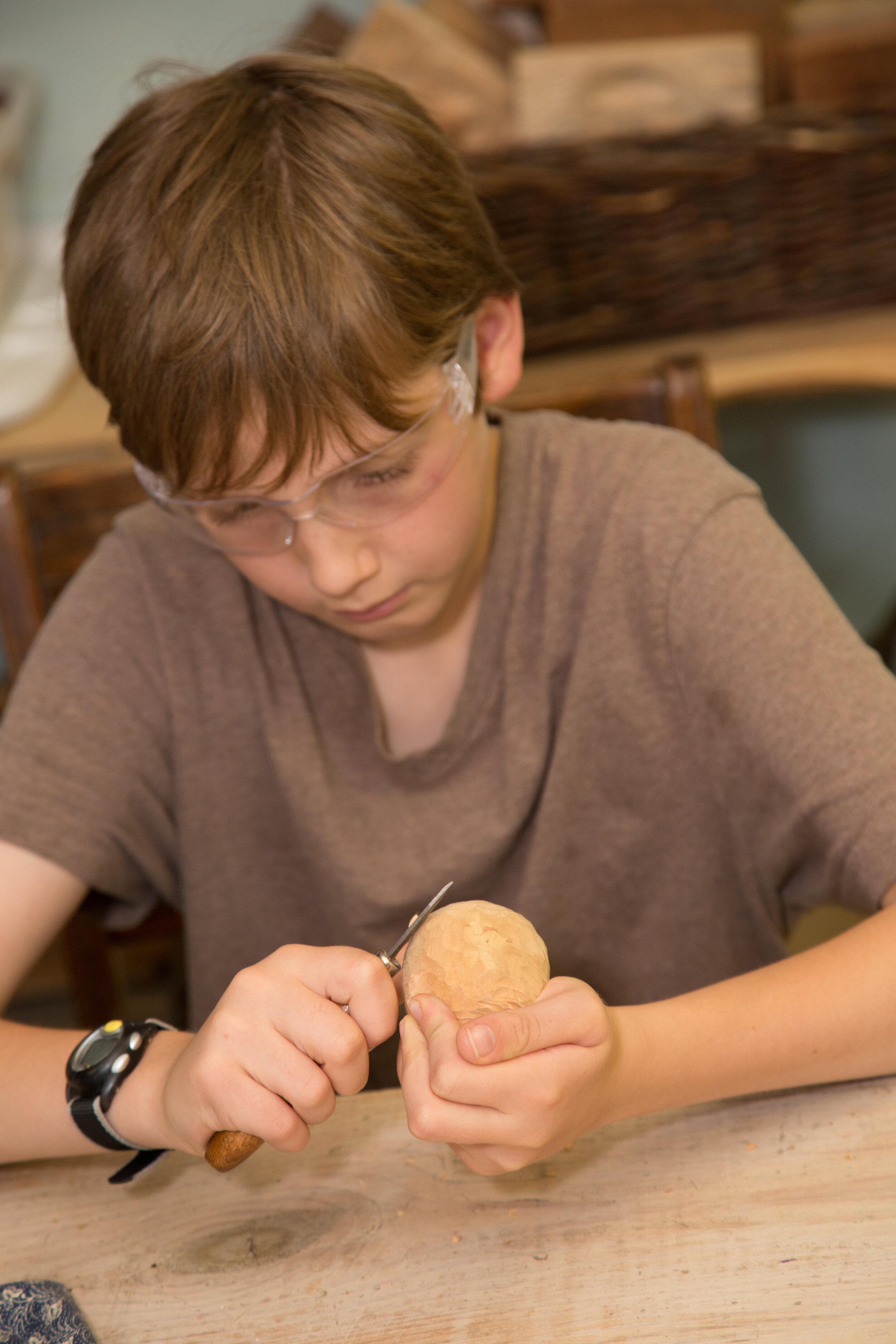
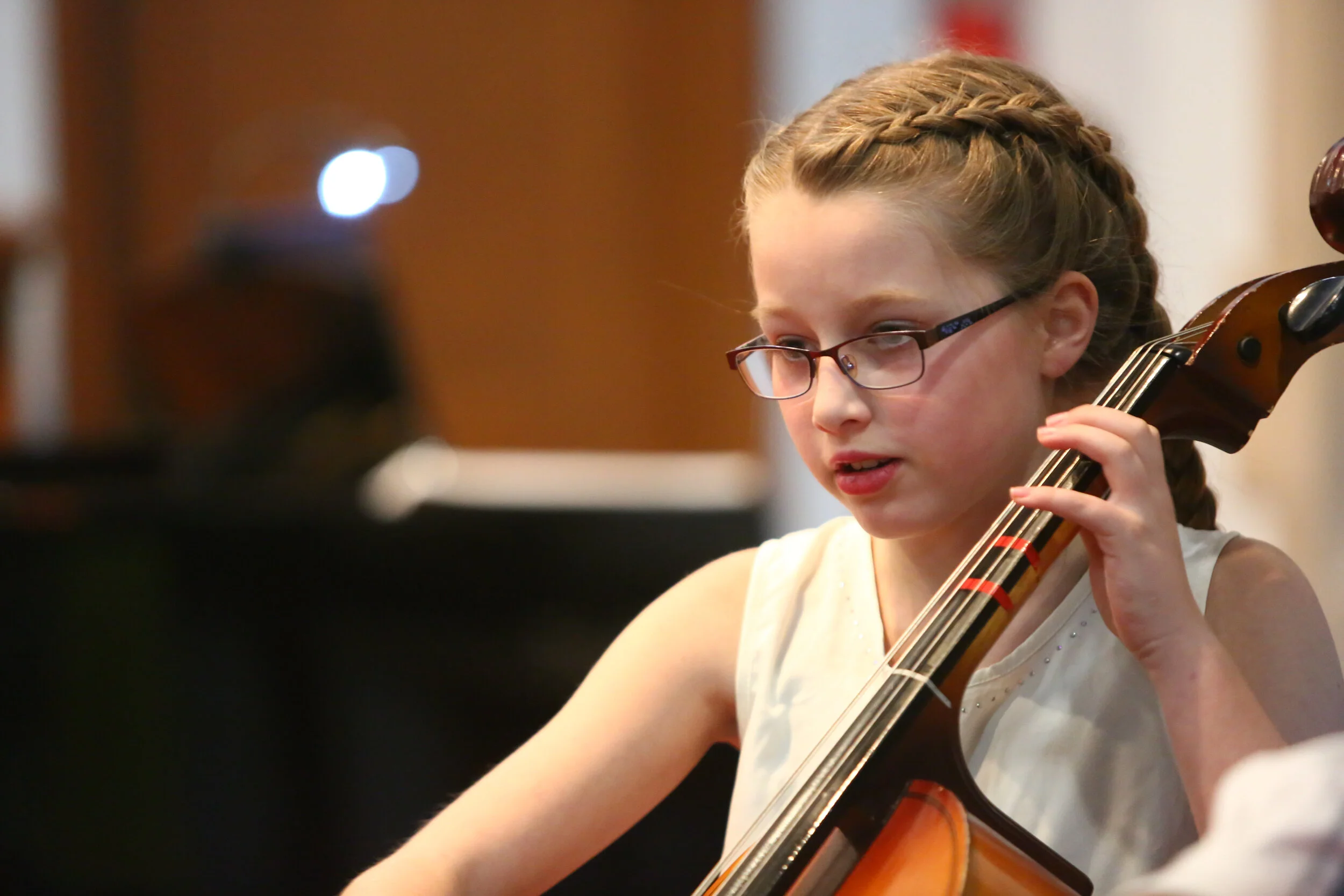
The arts (fine art, performing art, and practical art) are integrated into the curriculum on a daily basis. For example, students create class plays based on history lessons, and practice and apply knowledge of fractions by playing musical instruments. Participation in the arts engages students on an emotional level and encourages self-awareness. When students create objects of beauty and value, they strengthen their imagination and self-control. These skills carry over to academics and to everyday life.

Nature Immersion: Forest Fridays and Nature Exploration
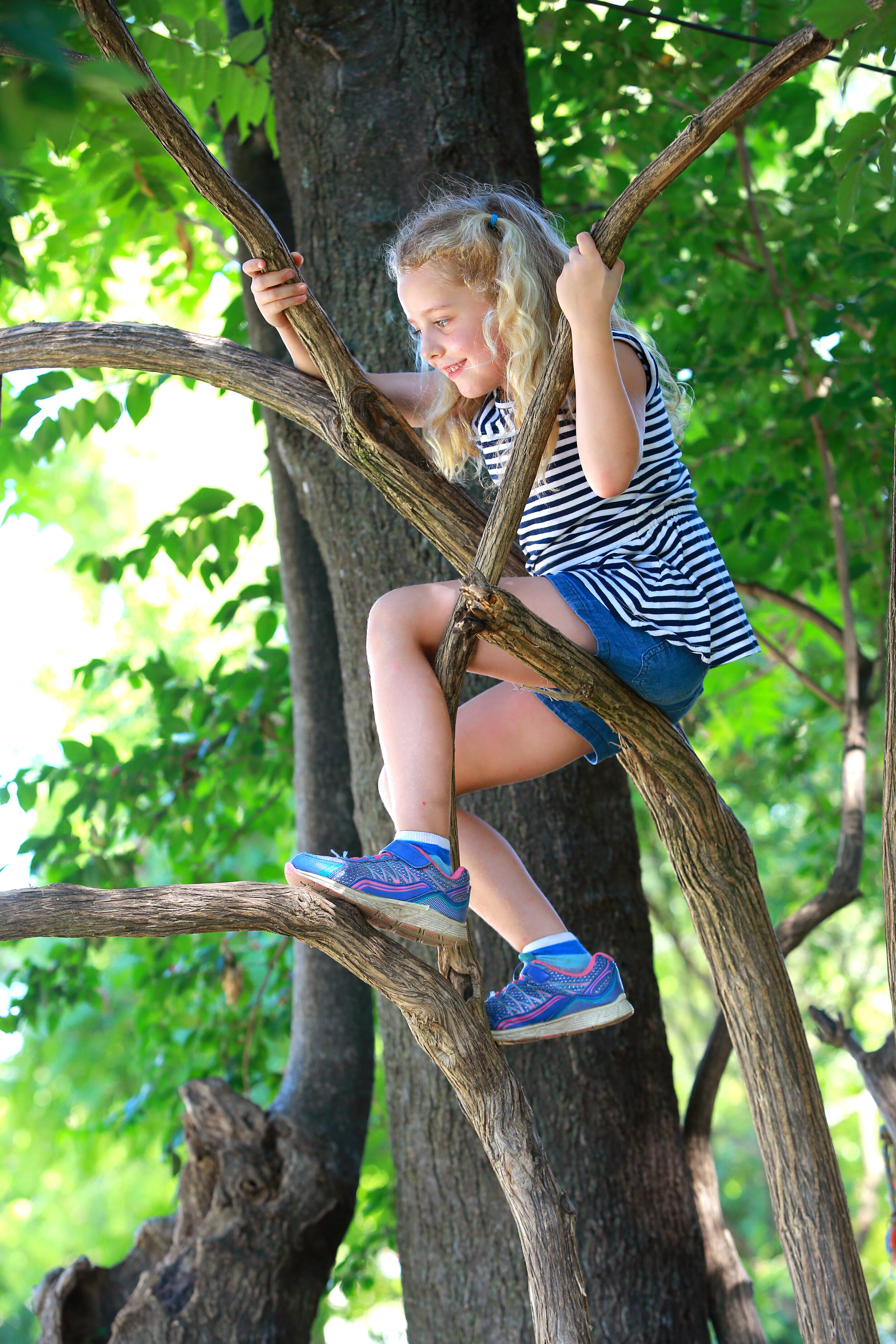
Studies continue to show that the more time children spend in nature, the healthier, happier, and more creative they are. Waldorf education respects the restorative benefits of the natural world and provides all students with multiple opportunities to spend time in nature each day. In addition to daily outdoor play in The Meadow, Early Childhood students spend their day in nature during Friday Forest Day.

The Garden and The Meadow
Our garden is an outdoor extension of our classroom space. Children revel in the “real work” of preparing garden beds, composting, planting, cultivating and harvesting. Gardening is a meaningful way to enhance strength and gross motor development. It also leads to a deeper understanding and appreciation for agriculture and the food we consume. Students also use the garden in their art and science lessons. For example, as part of botany, students observe the plants as they grow then draw or paint the very plants they have planted. Children use the produce and herbs for snacks that are prepared and shared in the classroom. The Meadow, another outdoor campus space, is full of edible herbs and invites children to use their sense (including taste!) while exploring outdoors.

Assessment and Grading Practices
Our school provides the healthiest possible learning culture for students, one that is free from unproductive stress and competition. The absence of letter grades promotes a culture where students are internally motivated to reach their highest potential rather than doing just enough to achieve a desired letter grade. We provide families with comprehensive End of Year Reports, which are an innovative way of recording students’ progress. The detail and content of the report provide meaningful insight into students’ accomplishments. We also strive to develop qualities than cannot be measured through testing, such as creativity, critical thinking, resilience, motivation, persistence, curiosity, civic-mindedness, empathy, leadership, compassion, and zest for life.

Student/Teacher Relationships
Waldorf teachers strive to transform education into an art that educates the whole child. In doing so, students and teachers develop a relationship of trust and mutual regard.
In the journey through primary school, the main classroom teacher generally loops with the class through the years. The security from these long-term relationships enhances learning, confidence, and social and emotional skills, while ensuring that each student’s needs are fulfilled.
All of our teachers engage students by teaching in a dynamic and collaborative manner and establish within each student his or her own highest level of academic excellence. They spark inner enthusiasm for learning and help students find meaning and direction in their lives.